top of page


Phenibut Info
Phenibut HCl
β-Phenyl-γ-aminobutyric acid, usually known as Phenibut, is an analogue of the naturally occurring neurotransmitter GABA, which slows the speed of neuronal transmission. This molecule acts as a GABA-B receptor agonist, which increases the effectiveness of GABA in the brain. Developed in the Soviet Union during a period of intense experimentation with GABA derivatives. It is still available on prescription in some Eastern European countries.
Low doses of phenibut can also cause a small increase in dopamine, helping focus and concentration. These properties made it ideal for use by Russian cosmonauts, allowing them to stay both calm and clear-headed.
Phenibut FAA
This is the "free acid" of phenibut, where only the phenibut molecule is present, rather than the more common hydrochloride salt where the additional hydrogen and carbon atoms add to the total weight. This means FAA is slightly more potent. Phenibut HCl is very acidic and while Phenibut FAA is more neutral in pH. Potency is the only difference between the two forms - the central molecule is identical
Fluorophenibut/4F-Phenibut
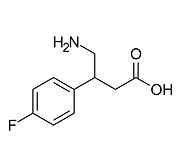
β-(4-Fluorophenyl)-γ-aminobutyric acid is another analogue of the naturally occurring neurotransmitter GABA. It acts as a GABAB receptor agonist. It is much more potent than Phenibut. Currently, not much is known about the pharmacology of this compound other than comparing it to its' better studied relatives.
For research purposes only
bottom of page